
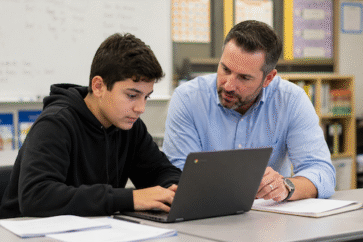
My students need real connection, not AI feedback
No algorithm can replace the human dialogue that helps students feel seen, challenged, and understood
As I wrapped up my student conferences, one conversation stuck with me. Steven had barely touched his final project for our computer science course, a virtual simulation of a piano, despite showing real promise earlier in the year.
Top Stories
Will schools answer the Canvas breach’s wake-up call?

The recent Instructure/Canvas breach should be a wake-up call for every school and university relying on third-party platforms to power teaching and learning.
Data alone doesn’t determine school success–leaders who know how to use it do

Educators often see recommendations, dashboards, and strategic plans labeled as “data-backed,” as if the numbers themselves drive outcomes. The truth is that data alone cannot make decisions or explain why students struggle or programs succeed.
How districts can build a shared AI structure
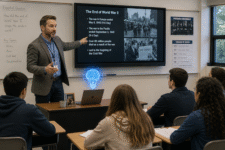
In the second week of January, a senior mathematics teacher with 22 years in the classroom raised a hand at the end of a staff meeting and asked a question that changed the way I now design AI literacy work for entire faculties.
This district’s STEM “space station” is a growing YouTube hit

A fictional space station orbiting the moon is turning into a real-world digital success story. Spacegate Station, a STEM series created in 2022 by Duval County Public School (DCPS) to support daily instruction, has unexpectedly taken off on YouTube, drawing sustained engagement from viewers far beyond the district.
Beyond the ban: Rethinking cell phone policies in schools with smarter solutions
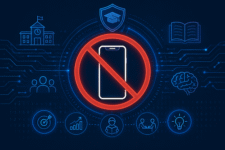
Across the country, educators, parents, and policymakers are struggling with a question that schools can no longer afford to avoid: What role should cell phones play in today’s classrooms?
Finding the “low way”: Reclaiming creativity in schools
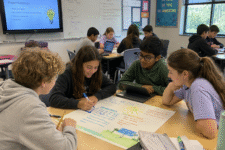
When my daughter was little, every time we climbed into the car, she’d look up and ask, “Are we going to take the low way?”
How AI helps teachers spend less time on assessments and more time on impactful instruction
The overreliance on AI is a widely discussed topic for teachers, administrators, and families alike. The last thing we want is for technology to stifle the creativity, expertise, and human connection that educators bring to the classroom or hinder our students’ ability to think critically.
When it comes to absenteeism, the real work begins in summer
Every June, once the last bus leaves and the halls go quiet, I get the strong desire to take a deep breath and to allow the pressure of the previous school year to subside and let the slower pace of summer settle in.

Sponsored Content
Why interactive solutions are a smarter investment for schools
School IT leaders face a constant balancing act to deploy technology that enhances learning while keeping systems secure, manageable, and cost-effective.
Advancing digital equity through teacher leadership

Meaningful opportunities for teachers to build expertise and leadership beyond their classroom add to a sense of professionalism and fulfillment. In an age when the role of technology in education is rapidly changing, why not allow teachers to lead the way?

Why interactive solutions are a smarter investment for schools

School IT leaders face a constant balancing act to deploy technology that enhances learning while keeping systems secure, manageable, and cost-effective.
Wearable tech helps students overcome central vision challenges

Central vision loss–a condition that impairs the ability to see objects directly in front of the eyes–can have profound academic and social impacts on K-12 students.
