

The data retention challenge for online exam platforms
How clearer data retention policies can strengthen security surrounding online exams
The shift from exam halls to online assessment platforms has quietly created a significant data management challenge.
Top Stories
The bottleneck in every classroom: Working memory, cognitive load, and the conditions for learning

Throughout my career, I have held various roles (teacher, principal, director of curriculum and instruction, author, speaker, and solutions provider) but I fundamentally see all of them as forms of teaching.
AI is stealing students’ ability to think critically–Journalism 101 may be an antidote

The risks of using generative Artificial Intelligence in education outweigh the benefits. That’s the warning in a seminal report from the Brookings Institution’s Center for Universal Education.
I run an edtech platform I hope you barely use

When we don’t confine learning to one classroom but share it across a department or district, we enable systemic change. Technology can facilitate this.
What 500 doorsteps taught me about getting kids back to school

I know the feeling when a letter from school shows up at the house. Nobody opens one of those smiling. Most of the time, the letter tells a family something they already know and nothing about what they actually need.
The power of one: How the school librarian can help schools do more with less

Technology initiatives, curriculum mandates, instructional frameworks, new programs, new platforms, new expectations, and professional development. Every year — and sometimes every month — something else is added to teachers’ plates. The result can be fragmentation, burnout, and a lack of focus.
Why learning can’t stop when the lesson ends

The lesson goes well. The student follows the explanation, works through problems with the teacher, asks a good question or two, and leaves feeling like the material finally makes sense. Three days later, facing a similar problem alone, they’re stuck again.
The future of educational equity isn’t just more resources–it’s more access to experiences

When we talk about educational equity, the conversation usually focuses on resources. Do students have highly qualified teachers? Updated textbooks? Modern science labs? Reliable internet access? Those are all important questions.
Vibe coding: 3 easy steps to classroom magic
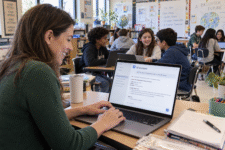
No matter where you turn today, it feels as though people just can’t stop talking about artificial intelligence (AI). Suddenly it’s become a part of our workspace, our entertainment, the tools we use for shopping and paying bills, but perhaps most notably, it’s quickly found its way into our classrooms.
EDUCATION RESOURCE CENTERS
Evaluations That Elevate: Moving Your District From Compliance to Growth

What if evaluation felt less like paperwork and more like progress? Observation cycles, rubric scoring, summative ratings, SLOs, and growth plans shouldn’t live in disconnected systems. Explore how one platform helps HR directors, superintendents, and instructional leaders bring it all together — for every employee, every role, every district.
Sponsored Content
Why interactive solutions are a smarter investment for schools

School IT leaders face a constant balancing act to deploy technology that enhances learning while keeping systems secure, manageable, and cost-effective.
Advancing digital equity through teacher leadership

Meaningful opportunities for teachers to build expertise and leadership beyond their classroom add to a sense of professionalism and fulfillment. In an age when the role of technology in education is rapidly changing, why not allow teachers to lead the way?

Why interactive solutions are a smarter investment for schools

School IT leaders face a constant balancing act to deploy technology that enhances learning while keeping systems secure, manageable, and cost-effective.
Wearable tech helps students overcome central vision challenges

Central vision loss–a condition that impairs the ability to see objects directly in front of the eyes–can have profound academic and social impacts on K-12 students.
